Planting services in Tufnell Park: local planting help for gardens, frontages, courtyards and business premises
If you are looking for Planting services in Tufnell Park, you may already know how much difference the right planting can make. A well-chosen border, a refreshed front garden, or a smart container display can completely change the look and feel of a property. In an area like Tufnell Park, where homes range from period terraces and mansion blocks to flats with compact outside spaces, practical planting needs to be both attractive and realistic. The best planting work should suit the site, the light, the soil, and the way you actually use the space.
Whether you want seasonal colour, a more private garden, evergreen structure, pollinator-friendly borders, or a tidy and welcoming entrance, a local planting team can help you get it right first time. The aim is not just to put plants in the ground. It is to create planting that settles in properly, grows well, and continues to look good through the changing seasons. For local homeowners, landlords, managing agents, and business owners, this can save time, reduce frustration, and improve the appearance of the property in a meaningful way.
Tufnell Park and the surrounding North London neighbourhoods often come with practical challenges that affect planting choices. Narrow access, limited on-street parking, shared entrances, shaded plots, and varying soil conditions all play a part. That is why local experience matters. A planting service that understands the area can recommend plants that suit your setting, plan the work around access issues, and leave you with a result that fits the property rather than fighting against it.
Why local planting support matters in Tufnell Park

Planting is one of those services that can look simple from the outside but benefits enormously from local knowledge. In Tufnell Park, many gardens are not large open plots; they are often part-shaded spaces, courtyard gardens, narrow side returns, rear yards, small front gardens, and shared outdoor areas. Choosing the right planting mix for these conditions is essential. Plants that would flourish in full sun may struggle in a shaded back garden, and heavy clay or compacted urban soil can make some species unhappy unless the area is prepared properly.
A local service understands that a successful planting scheme has to match the property type as well as the owner’s priorities. Some customers want low-maintenance planting for busy family life. Others want a more decorative setup for entertaining, curb appeal, or a better view from the window. Commercial premises may need tidy, durable planting that stays neat and presentable. A well-planned service can work for all of these needs while keeping the space manageable.
There is also a practical benefit to using a team familiar with the area: access and logistics are easier to handle. If the property is on a busier residential street, has restricted parking, or requires careful movement through shared hallways or side gates, planning in advance helps avoid delays and disruption. This is especially valuable for larger planting jobs, container installations, or seasonal refreshes where plants, compost, tools, and waste all need to be managed efficiently.
What planting services can include

Planting services can be tailored to a wide range of outdoor spaces and customer goals. Some people want a full redesign of a border, while others only need a few new shrubs, climbers, or seasonal pots to lift a tired area. A good service should be flexible enough to handle both small and larger jobs, with advice that is grounded in what will work for your specific site.
Typical planting work may include:
- Planting new shrubs, perennials, grasses, herbs, and small trees
- Replacing unhealthy or overgrown plants with better-suited varieties
- Designing and planting mixed borders for year-round interest
- Creating container displays for patios, balconies, entrances, and courtyards
- Refreshing front gardens to improve appearance and structure
- Adding climbers for walls, fences, pergolas, and screening
- Installing plants that support bees, butterflies, and other pollinators
- Improving soil conditions before planting where needed
- Mulching and finishing planting beds for a cleaner look and better moisture retention
- Setting up planting schemes that are easier to maintain over time
Some customers want a simple refresh, while others need a more thoughtful planting plan. For example, a small front garden may benefit from a neat arrangement of evergreen structure, seasonal flowers, and compact shrubs that do not block windows or pathways. A rear garden might need a layered planting approach with taller plants for height, mid-level structure for balance, and lower plants to soften hard landscaping. A local service can shape the work to the property instead of applying a one-size-fits-all approach.
Planting for Tufnell Park homes and gardens

Tufnell Park has a mix of property styles, and planting choices often need to respect both the age of the building and the way the outside space is used. Many period homes benefit from planting that complements traditional architecture. That might mean elegant border planting, climbing plants that soften brickwork, or structured shrubs that bring balance without feeling too modern or too formal. For newer conversions or flats, the focus may be on smart planting in pots, troughs, or small beds that make the most of limited space.
Front gardens are often especially important in this area. They are the first thing visitors and passers-by see, and they help set the tone for the whole property. A tidy, well-designed planting scheme can make even a modest entrance feel cared for and welcoming. For households with limited time, low-maintenance planting can be a smart choice. This usually means selecting hardy plants, grouping species with similar needs, and using mulch or ground cover to help reduce weeding and watering demands.
Back gardens in and around Tufnell Park can also vary widely. Some have good sunlight, while others are heavily shaded by neighbouring buildings or mature trees. The right planting service should take that into account before any work begins. Shade-tolerant plants, drought-resistant species for sunnier spots, and carefully chosen evergreen elements can all be combined to create a garden that feels fuller and more settled throughout the year.
Planting that suits common local conditions
Local planting needs often include:
- Shaded gardens where reliable shade-loving plants are needed
- Urban plots where soil may be compacted or low in nutrients
- Small spaces where scale and proportion matter more than quantity
- Shared properties where tidy, non-invasive planting is important
- Front gardens where access, visibility, and neatness matter
For many local customers, the goal is not to create a high-maintenance showpiece. It is to achieve a garden that looks good, feels welcoming, and does not become a burden. That is why practical planting choices, realistic spacing, and the right aftercare advice are just as important as the initial planting itself.
How the planting process works
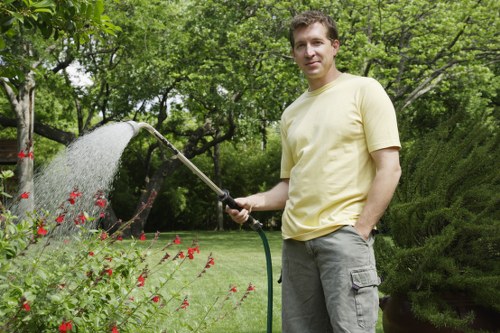
When customers enquire about planting services in Tufnell Park, they often want to know what happens from the first visit through to the finished result. A clear process helps the job run smoothly and gives you confidence that the planting has been planned properly. The exact approach depends on the size of the project, but most professional planting work follows a similar pattern.
- Site review: The area is assessed for light, shade, access, soil quality, drainage, and available space.
- Plant selection: Suitable plants are chosen based on the site conditions, style preferences, and maintenance needs.
- Preparation: The ground or containers are prepared, which may include clearing, loosening soil, improving compost, and removing debris.
- Planting: Plants are positioned carefully with the right spacing and depth to support healthy establishment.
- Finishing: Watering in, mulching, staking if required, and tidying the area create a neat final result.
- Aftercare advice: Guidance is given on watering, feeding, and checking new planting in the early stages.
This process can be adapted for both residential and commercial customers. A family garden may need more advice about child-friendly or pet-aware planting, while a business frontage might need reliable plants that stay attractive with less day-to-day attention. The best planting work is careful, practical, and matched to the property from the start.
It is also worth noting that good planting begins before the first plant goes in. If the soil is tired, dry, waterlogged, or full of roots and debris, the new planting may struggle. Preparing the space properly helps the plants establish more quickly and gives the customer a better long-term result. This is one reason why a local team that handles both planting and preparation can be especially useful.
What to expect from a quality planting service
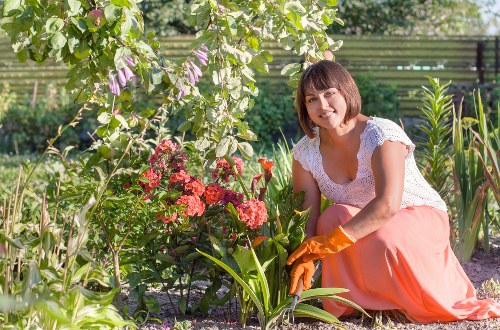
When you are investing in planting, you want the result to be more than just a quick visual improvement. You want a service that is thoughtful, tidy, and suited to the practical realities of a North London property. Good planting work should leave you with an attractive space that feels intentional, balanced, and easier to care for.
Key qualities to look for
- Local knowledge: Familiarity with common garden conditions in Tufnell Park and nearby areas
- Plant suitability: Choosing plants that match light, soil, wind exposure, and maintenance preferences
- Attention to detail: Correct spacing, depth, and placement for healthy growth
- Practical planning: Working around access, parking, and property layout
- Clean finish: Leaving the area tidy and ready for use
- Clear advice: Explaining what the new planting needs in the first few weeks and months
Planting is especially valuable when it solves a problem. Perhaps a border looks bare for much of the year, a patio feels unfinished, or a front garden has become patchy and neglected. In those situations, planting is not just decorative. It improves the feel of the property, supports better use of the space, and can make day-to-day life more enjoyable. That is why many local customers treat planting as an investment in the comfort and appearance of their home or premises.
If you are comparing options, think about whether the service is focused on your space or just on filling it with plants. The right planting company will ask about how you use the area, how much maintenance you want to do yourself, and what style you prefer. They should also help you avoid common mistakes such as overcrowding, choosing plants that outgrow the space, or planting species that are poorly matched to shade or dry soil.
Good planting often includes a balance of structure and seasonal change
That balance might include evergreen shrubs for year-round shape, perennials for colour and movement, bulbs for spring interest, and grasses or climbers for texture. In a compact urban garden, this combination can create depth without making the space feel busy. In a larger setting, it can help the garden feel layered and alive across the seasons.
Pricing factors for planting projects
Customers often ask what affects the cost of planting work. While exact pricing depends on the size and complexity of the job, there are several common factors that influence the quote. Understanding these points can help you plan your project more realistically and compare proposals more confidently.
- Number and size of plants: Larger specimens, mature shrubs, or multiple planting zones usually require more time and materials.
- Preparation required: Clearing old plants, improving soil, or dealing with difficult ground can affect the work involved.
- Access to the site: Tight access, upper-floor terraces, or restricted parking can add logistical complexity.
- Type of planting: Borders, containers, climbers, trees, and mixed schemes all involve different levels of labour and planning.
- Plant selection: Some plants are more specialist, larger, or slower-growing than others.
- Aftercare needs: Some jobs include more setup support and guidance, especially when planting is newly established.
It is usually best to request a quote after the site has been looked at in person or after providing clear details and photos. This helps avoid vague assumptions and gives you a more useful estimate. If you have a specific budget, it is also sensible to say so early. A good planting team can often suggest alternative plant choices or staged work so you can still make progress without compromising the result.
Request a free quote if you are ready to improve your garden, front entrance, or business frontage. A well-planned planting project can often be tailored to the size and priorities of the space, whether you want a small refresh or a more noticeable transformation.
Preparation checklist before planting begins
A little preparation from the customer side can make the job smoother and help the team get started efficiently. You do not need to do everything yourself, but a few simple steps can help avoid delays and confusion on the day.
- Decide which areas you want planted and which should remain unchanged
- Think about whether you want a low-maintenance, colourful, wildlife-friendly, or structured look
- Note any areas with strong sun, full shade, or very dry conditions
- Check whether you need screening, privacy, or more seasonal interest
- Clear access routes where possible, especially in narrow gardens or shared entrances
- Move fragile items, small furniture, or ornaments out of the working area if practical
- Tell the team about pets, timed access, or any property restrictions
- Consider how much watering and upkeep you are happy to do afterwards
For landlords, property managers, and business owners, preparation may also involve deciding whether the planting needs to support tenant appeal, brand image, or ongoing low-maintenance upkeep. In commercial spaces, the planting should be reliable and easy to keep presentable. In residential spaces, the planting may need to be more personal and suited to family routines. Either way, being clear at the outset helps the final result work better.
It is also useful to have a rough idea of the style you like. Some customers prefer soft cottage-style borders, while others want clean evergreen structure and minimal fuss. You do not need to know the Latin names of every plant. A few practical preferences are often enough to guide the planting plan in the right direction.
Why choose a local company for planting services in Tufnell Park
Using a local team offers several advantages beyond convenience. Local gardeners and planting specialists are more likely to understand the typical conditions in the area, from shady rear gardens to busy front elevations. They are also more likely to appreciate the practical realities of working in a dense neighbourhood where parking, access, and timing can matter just as much as the planting itself.
Reasons customers often choose local planting support include:
- Better understanding of local soil and exposure conditions
- More practical recommendations for small and awkward spaces
- Awareness of access issues common to North London streets and terraces
- Suitability for both private homes and shared or commercial sites
- Flexible service for one-off planting or ongoing refreshes
There is also reassurance in working with a service that knows the local style of properties. Tufnell Park has a distinct character, and good planting should complement that character rather than overwhelm it. A carefully chosen border, a neatly planted front garden, or a group of well-placed containers can make a space feel more polished without losing its natural charm.
Book your service now if you want planting that feels tailored, sensible, and suited to the way you actually live or work in the space. The earlier the planting is planned properly, the easier it is to achieve a result that lasts.
Areas covered around Tufnell Park
Planting services in Tufnell Park often extend to nearby neighbourhoods and surrounding parts of North London. This is helpful for customers who live or operate close to the area and want a team familiar with the local streets and property types. Nearby locations may include:
- Archway
- Kentish Town
- Holloway
- Highgate
- Camden
- Islington
- Whittington Estate area and surrounding residential streets
Coverage may also suit customers with gardens, courtyards, balconies, shared entrances, and commercial frontages in nearby roads and local centres. If your property sits between neighbourhoods or has a hard-to-access outdoor area, local support can still be a strong option because the job can be planned with the area’s layout in mind.
For some customers, planting is part of a wider outdoor improvement project. It might follow patio work, fencing, garden clearance, or general tidy-up work. For others, it may be a seasonal refresh or a standalone task focused on the front garden or a few key containers. Either way, the service should be able to adapt to the scale and purpose of the space.
Frequently asked questions about planting in Tufnell Park
Below are some common questions from local customers who are considering planting work for the first time or planning a refresh of an existing garden.
What kinds of gardens can be planted?
Most outdoor spaces can be improved with the right planting approach. This includes front gardens, rear gardens, side returns, courtyards, balconies, terraces, shared spaces, and commercial forecourts. The key is selecting plants and layouts that match the available conditions.
Can you help if I only have a small space?
Yes. Small spaces often benefit the most from thoughtful planting because every plant choice matters. In compact areas, scale, spacing, and container choice become especially important. A well-planted small space can feel much larger, brighter, and more welcoming.
Do I need to prepare the soil before planting?
Not always, but soil preparation is often recommended. In urban gardens, soil may be tired, dry, or compacted. Adding compost, improving drainage, or clearing unwanted roots can help new plants establish more successfully.
Can planting be low maintenance?
Yes. Many customers ask for low-maintenance planting, especially if they are busy or travel often. This usually means choosing hardy, well-matched plants, using mulch, avoiding overcrowding, and keeping the layout simple enough to manage easily.
What if my garden is mostly shade?
Shaded gardens can still be planted beautifully. Shade-tolerant plants, suitable ground cover, and evergreen structure can all work well in these conditions. The planting plan should be based on what the space actually receives during the day.
Can planting help improve privacy?
Yes. Climbing plants, taller shrubs, and layered borders can create a softer sense of screening without making the garden feel boxed in. This is especially useful in overlooked rear gardens and shared outdoor areas.
How soon can new plants be used or enjoyed?
Most planting can be enjoyed immediately, though new plants will need careful watering and attention while they establish. The best results come from following aftercare advice in the early weeks and making sure the soil does not dry out.
Is planting suitable for commercial properties?
Absolutely. Businesses often benefit from neat, durable planting that creates a professional appearance without requiring excessive upkeep. Containers, entrance planting, and simple structured beds can all work well for commercial premises.
Choose planting that feels right for your property
Good planting should do more than fill empty space. It should make the property feel cared for, bring balance to the outdoor area, and suit the practical realities of the location. In Tufnell Park, that often means making smart use of limited space, managing shade or urban soil issues, and selecting plants that look good without needing constant attention.
Whether you need a fresh border, a better-looking front garden, a compact container scheme, or a planting plan for a business entrance, a local service can help turn a plain or tired area into something more inviting. If the work is planned carefully, the result can improve both appearance and everyday enjoyment of the space.
From initial ideas to the final tidy finish, the most useful planting service is one that listens to what you want, explains what will work best, and carries out the job with care. If you are ready to improve your outdoor space, contact us today to discuss your planting needs in Tufnell Park and request a free quote for your project.

