Landscaping in Tufnell Park
If you are looking for landscaping in Tufnell Park, you are probably trying to do more than just “tidy up the garden.” In this part of North London, outdoor spaces often need practical design, careful planting, smart use of limited room, and a finish that suits the property. Whether you want a front garden that creates a better first impression, a low-maintenance rear space for family use, or a commercial outdoor area that looks organised year-round, the right landscaping service can make a real difference.
Tufnell Park has a mix of Victorian and Edwardian terraces, mansion flats, converted homes, townhouses, and small business premises. That variety matters because no two outside spaces are the same. Some gardens are long and narrow, some are compact courtyards, some have awkward levels, and many have access constraints that require planning before work begins. A local landscaping team understands these realities and can shape a project around them, rather than offering a one-size-fits-all approach.
Good landscaping is about more than appearance. It affects how you use the space, how easy it is to maintain, how drainage behaves after heavy rain, and how safe and welcoming the garden feels. In a busy area like Tufnell Park, where residents value both convenience and character, well-planned landscaping can improve daily living as well as the overall feel of a property.
Why landscaping matters for Tufnell Park homes and businesses

Outdoor areas in Tufnell Park often have to work hard. A family garden may need a lawn area for play, a patio for seating, practical storage, and planting that looks attractive without demanding constant attention. A rental property might need durable materials and neat boundaries that stay presentable through changing occupiers. A shopfront, office entrance, or hospitality space may need planters, paving, and seasonal planting that helps the premises look cared for throughout the year.
Landscaping is especially valuable where space is tight. In many local homes, a narrow side return, split-level rear garden, or compact front plot has to be used carefully. The right design can create a stronger sense of space by improving layout, choosing suitable materials, and balancing hard landscaping with softer planting. Even a modest garden can become a more usable and enjoyable extension of the home.
Local conditions also influence the success of a project. Shade from neighbouring buildings, tree cover, narrow access routes, and the everyday reality of parking in North London all need to be considered. A team experienced in landscaping in Tufnell Park will understand how to manage these practical issues without adding unnecessary stress to the job.
Services commonly included in landscaping projects

Landscaping services can vary depending on the property and what the customer wants to achieve. Some clients are starting with a completely blank garden, while others want to refresh an existing layout. In many cases, the best outcome comes from combining design, construction, planting, and finishing touches into one clear plan.
Typical landscaping work may include:
- Garden design and layout planning
- Patios, paved areas, and paths
- Fencing, edging, and boundary improvements
- Raised beds and planting borders
- Turfing and lawn renovation
- Artificial grass installation where suitable
- Decking and seating areas
- Garden clearance and site preparation
- Soil improvement and ground levelling
- Drainage improvements and surface water management
- Planters, screening, and privacy features
For many customers, it is helpful to think in stages. You may want to begin with hard landscaping, such as paving or retaining features, and then move on to planting and finishing. Others prefer a simpler approach, like improving the lawn, creating a neater border, and adding structure with evergreen planting. The right service should fit your budget, timeframe, and how you use the outdoor space.
Local knowledge makes a real difference

Choosing a local team for Tufnell Park landscaping is about convenience, but it is also about experience. A crew that regularly works in the area is more likely to understand the access challenges that come with terraced streets, shared entrances, front and rear garden access, and limited on-street parking. This helps with planning deliveries, moving materials, and keeping disruption to neighbours to a minimum.
There is also the matter of style. Many Tufnell Park properties sit within a streetscape that blends period character with modern living. That means landscaping often needs to be practical while still feeling sympathetic to the home. For example, natural stone paving may suit a period frontage, while clean-lined planters and robust planting schemes may work well for contemporary conversions or commercial settings.
Local expertise can also be useful for choosing plants that cope well with urban conditions. Some gardens in the area are shaded for much of the day, while others face heat reflection from walls and paving. A thoughtful planting plan should account for these factors, helping you avoid repeated failures and unnecessary maintenance. Smart plant selection can reduce watering needs, improve year-round structure, and keep the garden looking good with less effort.
What to expect from a professional landscaping service
When you arrange landscaping work, it is helpful to know what the process usually involves. While every project is different, a good local service will start by understanding the space, the purpose of the garden, and the look you want to achieve. That might mean creating a family-friendly layout, improving kerb appeal, or turning an underused yard into a practical outdoor room.
Initial discussions should cover the current condition of the garden, any drainage or access issues, the style you prefer, and how much maintenance you are comfortable with. Some clients want a lush planted design with seasonal interest. Others want a more modern, low-maintenance finish with clean paving and hardy planting. Either way, the best results come from realistic planning and careful execution.
After the design or plan is agreed, work usually begins with clearing the site, removing unwanted materials, and preparing the ground. From there, hard landscaping features can be installed, followed by planting, turfing, and the final tidying that makes the space feel complete. A professional team should keep the site organised and leave you with a garden that is ready to use rather than a list of half-finished jobs.
Common goals for local customers
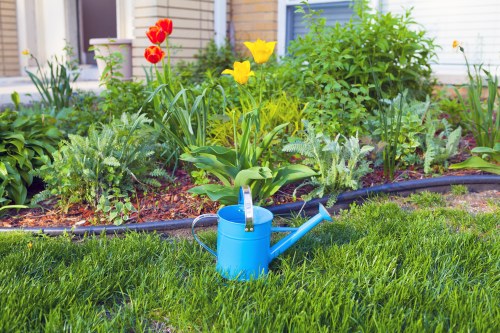
People looking for landscape gardeners in Tufnell Park usually have a clear outcome in mind. Their goals often include making the garden easier to maintain, improving safety and usability, or giving the property a more polished appearance. Some want a better space for entertaining, while others need a child-friendly or pet-friendly layout that can withstand daily use.
Popular goals include:
- Creating a tidy, welcoming front garden
- Turning a bare back yard into a usable sitting area
- Replacing an old lawn with turf or paving
- Adding privacy with planting or screening
- Improving muddy or uneven ground
- Making the space easier to look after all year
- Enhancing the appearance of a rental or commercial property
Some people also want landscaping that supports future flexibility. For example, a family may want a design that works now for children and later for relaxed adult entertaining. In those cases, the landscaping should be durable, adaptable, and visually balanced. Good planning now can save money and disruption later.
Hard landscaping and soft landscaping explained
It is useful to understand the difference between hard landscaping and soft landscaping, because many outdoor projects use both. Hard landscaping refers to the structural features of the garden, such as paving, paths, steps, edging, walls, raised beds, timber elements, and patios. These are the parts that shape how the space functions and move from one area to another.
Soft landscaping covers the living and growing elements, including turf, plants, shrubs, trees, climbers, mulch, and soil improvement. This is where the garden gains colour, texture, and seasonal interest. A well-balanced project blends the two: solid structure where it is needed, and planting that softens the space and makes it feel welcoming.
For many Tufnell Park properties, the balance matters. Overly hard surfaces can make a small garden feel cramped, while too much planting without structure may be difficult to maintain. The right landscaping design should feel intentional and practical, with materials and planting chosen to support the way the space is used.
Landscaping ideas suited to Tufnell Park properties

Because the area includes a range of property types, landscaping solutions need to be adaptable. A front garden on a period terrace may benefit from neat planting borders, sympathetic paving, and a clear path to the entrance. A rear garden behind a flat or converted house may work better with compact seating, vertical planting, and smart use of planters to keep the footprint open.
Some practical ideas for local gardens include:
- Using raised beds to create interest without losing floor space
- Choosing light-coloured paving to brighten shaded gardens
- Adding evergreen structure for year-round appeal
- Introducing permeable surfaces where drainage is a concern
- Using trellis or screens for privacy in overlooked spaces
- Combining seating and storage in compact gardens
- Creating simple, repeated planting schemes for easier upkeep
Low-maintenance landscaping is especially popular with busy households and landlords. If you do not want to spend weekends on constant upkeep, a garden can be designed with tough planting, reduced lawn areas, and materials that stay neat with minimal attention. That approach can still look attractive and feel inviting, while being much easier to manage.
Residential landscaping services
Many customers searching for landscaping services in Tufnell Park are homeowners or tenants wanting a better outdoor space. Residential projects often begin with a simple frustration: the garden is underused, messy, hard to maintain, or not suited to the way the household lives. A tailored landscaping plan can solve those problems and create a more enjoyable home environment.
For family homes, the focus may be on practicality, safety, and durability. For example, a garden might need robust paving for everyday movement, a level lawn for play, and planting that does not become a maintenance burden. For professional couples or older residents, the priority might be a calm and easy-to-manage space with enough seating and greenery to feel restful without requiring constant work.
Front gardens also matter. In a neighbourhood where many properties have visible frontages, a well-designed approach can improve the whole streetscape as well as the property itself. A tidy entrance path, attractive planting, and well-fitted edging can make a strong impression and help a home feel cared for from the moment someone arrives.
Commercial landscaping and property presentation
Businesses in and around Tufnell Park can also benefit from practical landscaping. Offices, hospitality venues, clinics, shared buildings, and managed properties all rely on a neat exterior to support a positive experience. Outdoor areas do not have to be large to make a difference. Even a small entrance zone or courtyard can feel more inviting with the right planting, paving, and maintenance plan.
Commercial landscaping often needs to balance appearance with reliability. That means choosing materials and planting that can handle regular foot traffic, seasonal changes, and the day-to-day need for tidy presentation. In many cases, the best solution is one that looks good without demanding constant attention from staff or building managers.
For landlords and property managers, landscaping can also reduce complaints and improve tenant satisfaction. Clear boundaries, good drainage, safe walkways, and manageable planting all help keep external areas functional. If you manage multiple properties or shared spaces, a dependable local service can make maintenance easier to organise and complete.
How to prepare for landscaping work
Preparation helps projects run more smoothly and can reduce delays once work starts. Before your landscaping team arrives, it is worth thinking through the basic practicalities of access, storage, and what you want to keep or remove. If you are unsure, a local contractor can usually advise during the initial visit or quotation stage.
A useful preparation checklist includes:
- Remove personal items, furniture, and pots from areas to be worked on
- Flag any plants, features, or materials you want to keep
- Make sure access gates, paths, or shared entrances are clear
- Consider where waste and materials can be stored temporarily
- Check whether neighbours need advance notice if access may be affected
- Decide how much of the existing garden you want to retain
- Share any concerns about drainage, levels, or privacy
In Tufnell Park, access planning is especially important where gardens are reached through side passages, shared hallways, or narrow walkways. A good team will take these limitations seriously and work in a way that keeps disruption sensible. This is one of the biggest advantages of choosing someone local who understands the area.
Pricing factors for landscaping projects
Landscaping costs vary because every garden is different. Rather than expecting one fixed price, it is more useful to understand the main factors that influence the work. The more complex the space and the more materials or labour involved, the more detailed the quote will need to be.
Common pricing factors include:
- Size of the area
- Condition of the existing garden
- Amount of clearance or demolition needed
- Type and quantity of materials
- Access for tools, waste removal, and deliveries
- Whether drainage or levelling work is required
- Planting density and plant selection
- Design complexity and finishing details
It is worth asking what is included in the proposal, especially if you are comparing different options. For example, does the price cover preparation, waste removal, supply of materials, planting, and final tidy-up? Clarifying these details early helps you make a fair comparison and avoid misunderstandings later. If your budget is limited, a phased approach may be possible, starting with the most important structural work first.
Why choose a local company for landscaping in Tufnell Park
A local company brings more than just convenience. It can offer a better understanding of the streets, property types, access limits, and the sort of outdoor spaces that are common in this part of North London. That local familiarity can improve planning, reduce avoidable issues, and make the whole process feel more straightforward.
Another advantage is responsiveness. If you need to discuss a change, check progress, or plan later stages of the work, a nearby team can often coordinate more efficiently than a provider coming from much further away. For busy households and commercial clients alike, that practical difference can matter a lot.
Local landscaping is also useful when the project depends on timing. Planting, turfing, and weather-sensitive work often need the right conditions, and a nearby team can plan around the realities of the area. Whether you need a small refresh or a larger garden transformation, working with people who know Tufnell Park helps keep the project grounded in what is actually workable.
Areas covered nearby
Customers in and around Tufnell Park often also need help in the surrounding neighbourhoods. Landscaping services are commonly requested across nearby parts of North London where properties have similar access and space considerations. Depending on the project, local work may extend to neighbouring areas such as Kentish Town, Gospel Oak, Holloway, Archway, Camden, Dartmouth Park, and parts of Islington.
This wider local coverage can be helpful if you manage multiple properties or are comparing similar outdoor spaces across different addresses. The key advantage is consistency: the same approach to planning, presentation, and practical execution can be adapted to each site.
Whether you are improving one small garden or coordinating several external spaces, it helps to work with a team that understands the local environment and can adapt to it. That is especially true in areas where parking, access, and shared boundaries need careful handling.
Frequently asked questions
How long does a landscaping project take?
The timeline depends on the size of the garden, the amount of preparation needed, and the type of features being installed. A small refresh may take only a short time, while a larger project involving paving, planting, drainage, and structural changes will take longer. A local team should be able to explain the likely sequence once it has seen the space.
Can you work with small or awkward gardens?
Yes. Small gardens, narrow plots, and awkward layouts are very common in Tufnell Park. In fact, these are often the spaces that benefit most from thoughtful landscaping. Careful layout, suitable materials, and the right planting choices can make a compact garden feel much more usable.
Do I need a full redesign, or can I improve what I already have?
You do not always need a complete overhaul. Many customers choose to improve sections of their garden gradually, such as replacing tired paving, improving a lawn, or adding planting and privacy. If the existing layout is basically sound, targeted landscaping can be a smart and cost-effective option.
What if I have drainage problems or uneven ground?
These are common issues and should be assessed before work begins. Drainage, levels, and ground stability can affect both comfort and long-term performance. A proper landscaping plan should take these concerns into account rather than covering them up temporarily.
Can landscaping help a rental or investment property?
Yes. Clean, durable, and easy-to-manage landscaping can support the overall presentation of a rental property and reduce ongoing maintenance problems. For landlords and property managers, practical design is often more valuable than elaborate features.
What should I ask when requesting a quote?
It is sensible to ask what work is included, how access will be handled, what materials are recommended, and whether any preparation or waste removal is covered. If you have a deadline, mention it early. The more detail you give, the more accurate the quote is likely to be.
What makes a garden feel finished?
Many people know when a garden is almost there, but not quite finished. Often the missing pieces are simple: clean edges, consistent materials, balanced planting, and a layout that makes sense when you walk through the space. Even a well-built patio can feel incomplete if the surrounding beds are bare or the levels are awkward. Likewise, a planted border may look good but still need structure from paving, edging, or a path to bring the whole design together.
That is why good landscaping in Tufnell Park should focus on the full picture. The aim is not just to complete isolated tasks, but to make the garden work as a whole. Function, durability, and visual balance should all be considered together. When they are, the result feels easier to live with and more enjoyable to spend time in.
If you are ready to improve your outdoor space, now is the right time to take the next step. Contact us today to discuss your ideas, request a free quote, or book your landscaping service now. Whether the project is small, large, residential, or commercial, a local approach can help turn a difficult garden into a space that works better every day.
In summary
Landscaping in Tufnell Park is about making outdoor spaces more practical, more attractive, and better suited to local property types. From compact rear gardens to visible frontages and commercial entrances, the right improvements can change how a space feels and how easily it can be used. If you want a team that understands local access, parking, and the character of North London homes, choosing a local landscaping service is a sensible place to start.
Request a free quote today and take the first step toward a garden or outdoor area that feels more usable, welcoming, and complete.

