Flower Bed Creation in Tufnell Park
If you are looking for flower bed creation in Tufnell Park, you are probably ready to turn a plain front garden, tired back yard, or underused side return into something brighter, tidier, and easier to enjoy. A well-planned flower bed can change the way a property feels straight away. It adds colour, texture, structure, and seasonal interest, while also making a space look cared for and finished. For local homes and businesses in Tufnell Park, where outdoor areas can range from compact Victorian terraces to shared courtyards and small commercial fronts, the right planting design makes a real difference.
We understand that many local customers want a garden feature that looks attractive without becoming a constant chore. That is where thoughtful flower bed design, soil preparation, edging, and planting selection matter. Whether you want a neat formal border, a cottage-style display, or a practical low-maintenance bed that still looks good year-round, the service needs to be tailored to your property, your light levels, and the way you use your outdoor space.
Our approach to flower bed creation in Tufnell Park focuses on making the most of the space you already have. That means considering access, drainage, existing paving, trees, fences, and the style of the building itself. It also means listening carefully to what you want from the finished result. Some clients want a welcoming front garden with seasonal interest. Others need a smart planting scheme for a rental property, a courtyard, a business entrance, or a communal area that has to stay tidy and practical. Every project is different, and the bed should suit the property rather than fight against it.
Local flower bed design that suits Tufnell Park homes and businesses

Tufnell Park has a wide variety of property styles, and that variety affects how flower beds should be planned. Some homes have compact front gardens with railings and narrow paths. Others have sheltered rear gardens that need better structure and more seasonal colour. There are also flats, maisonettes, shop fronts, cafés, offices, and shared spaces where planting needs to look neat without taking over the area. A local team understands these differences and can design flower beds that suit the character of the property and the practical demands of everyday use.
In residential settings, customers often want beds that improve kerb appeal, soften hard landscaping, or create a more relaxing view from the kitchen or living room. In commercial settings, the priorities may include a tidy appearance, easy upkeep, and a welcoming first impression for visitors. Flower beds can do all of this when they are planned with the right balance of structure and planting. The goal is not simply to fill a space with plants; it is to create a well-composed feature that works throughout the seasons.
Because many local properties have limited outdoor access, carrying materials through hallways, side gates, or narrow passageways can be part of the job. A local service is useful here because it can plan around awkward access, limited parking, and time restrictions that are common in the area. That makes the whole process smoother and less disruptive for neighbours, residents, and businesses.
What flower bed creation includes
Flower bed creation is more than placing a few plants into the ground. A proper service covers the groundwork that helps plants establish well and thrive over time. In Tufnell Park, where soil conditions, shade, and space limitations can vary from one property to another, careful preparation is especially important. Good beds start with good structure, and that usually includes a mix of site assessment, soil improvement, edging, and planting layout.
Depending on the project, the service may include:
- Site assessment and discussion of your preferred style
- Clearing old planting, weeds, turf, rubble, or debris
- Preparing and improving the soil for healthier growth
- Creating raised, level, or shaped bed areas
- Installing edging for a neat and durable finish
- Selecting plants suited to shade, sun, or mixed conditions
- Spacing and arranging plants for visual balance
- Mulching to help retain moisture and suppress weeds
- Advice on care, watering, and seasonal maintenance
Some clients also ask for the bed to work alongside existing features such as paving, garden lighting, fences, steps, trellises, or small trees. In those cases, the design has to tie in neatly with the wider garden layout. The best flower bed creation in Tufnell Park is never one-size-fits-all. It is planned carefully around the property, the season, and the level of maintenance the customer wants to keep up with.
Why local knowledge matters for flower bed creation in Tufnell Park
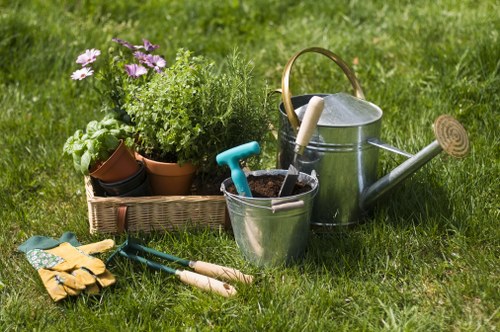
Local experience is important because gardens in Tufnell Park often have their own challenges. Many properties are close together, with limited side access or shaded garden sections caused by walls, fences, and neighbouring buildings. Some beds receive bright morning sun but little afternoon light. Others are exposed to wind, while some are tucked into enclosed courtyards that stay damp. These conditions affect which plants will grow well and how the bed should be built.
A local team can also make practical decisions about how to get the work done efficiently. Parking can be tight on busy residential streets, and access for tools, soil, compost, and plant deliveries may need to be planned in advance. When a company is familiar with the area, these details are handled more smoothly. That saves time, reduces hassle, and helps the project run in a way that feels organised from start to finish.
Tufnell Park sits close to areas such as Kentish Town, Dartmouth Park, Holloway, Archway, and Highgate, and the homes and businesses in these neighbourhoods often share similar outdoor constraints. That means a good planting plan needs to be adaptable. It should look elegant in a period terrace front garden, practical in a rental property, and polished in a small commercial setting. Local planting expertise brings all of that together.
Styles of flower beds we can create
There are many ways to design a flower bed, and the right choice depends on the look you want and how much upkeep you are happy to manage. Some customers prefer a traditional border packed with seasonal colour. Others want a more modern structure with clean edges and a restrained palette. Many local residents ask for a planting scheme that offers interest across the year without requiring constant replacement planting.
Popular styles include:
- Formal borders with strong edging and balanced planting
- Cottage-style beds with mixed textures and softer planting lines
- Low-maintenance beds with hardy perennials and shrubs
- Wildlife-friendly planting areas with pollinator-friendly flowers
- Front garden beds designed for kerb appeal and easy care
- Courtyard planting beds for compact, enclosed spaces
- Raised flower beds for improved drainage, access, or visual impact
Each style can be adjusted to match the building and the surrounding landscape. For example, a period property might benefit from a softer, more traditional planting scheme, while a smart commercial frontage may need something cleaner and more structured. The key is to create a result that feels intentional rather than crowded or improvised. A well-built bed should look attractive from the start and continue to mature gracefully over time.
We also take into account colour combinations, flowering times, leaf shapes, and plant height. These details may sound small, but they determine whether a bed feels balanced. A good design does not rely on one type of plant alone. Instead, it layers different textures and seasonal highlights so the area remains interesting for longer.
How the process works

Most customers want to know what happens from the first conversation to the finished flower bed. A clear process helps you understand the work involved and what to expect on the day. While every project is different, the usual approach is straightforward and focused on practical results.
The process often begins with a discussion of your goals. You may already have a clear idea of the type of bed you want, or you may need advice on what would suit the space best. From there, the area is assessed for size, shape, sunlight, drainage, existing materials, and access. This is where a local service is especially useful, because it can quickly spot any issues that might affect the build or the planting choices.
After the plan is agreed, the site is cleared and prepared. Existing weeds, roots, stones, and poor soil may need to be removed or improved. If the bed is being formed from scratch, the shape and border lines are established first. Then the soil is conditioned, the edging is fitted, and the planting starts. Once the plants are in place, the bed is finished with mulch or another top layer to help it settle and stay tidy. The result should be clean, practical, and ready to grow.
What makes a flower bed successful
A successful flower bed is not only about flowers. It needs a strong foundation and a planting plan that makes sense for the location. In Tufnell Park, that often means taking a practical approach. Soil must be healthy enough to support root growth. Drainage must be considered so water does not sit where it should not. Plant choice must match the amount of sun or shade, and the bed should have enough structure to look good even when some plants are not in bloom.
Some of the most important ingredients are:
- Healthy soil that supports planting and drainage
- Good edging to keep the bed neat and defined
- Thoughtful plant selection for your conditions
- Layered design so the bed has depth and balance
- Mulch or top dressing for moisture retention and presentation
- Realistic maintenance planning based on how much care you want to give it
If a bed is being created in a front garden, curb appeal is often just as important as colour. The bed should frame the building rather than block it. If it is a rear garden bed, the planting can be a little softer and more immersive, especially if it is viewed from seating areas. For business premises, neatness and consistency usually matter most, so the scheme should be smart and easy to keep looking presentable.
It is always better to choose the right plants for the site than to force a style that will struggle later. That is why a proper assessment is valuable. It helps ensure the bed looks good now and stays manageable later.
Preparation checklist before your flower bed project
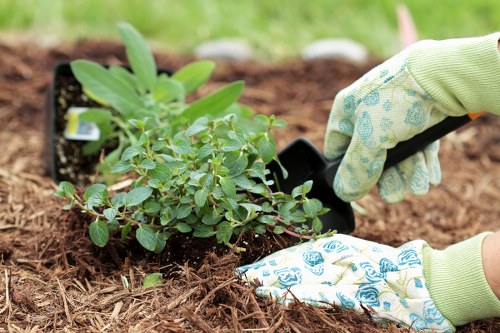
If you are planning flower bed creation in Tufnell Park, a little preparation can make the work quicker and more efficient. You do not need to do everything yourself, but it helps to think about how the space is used and what you want from the finished result. If you are unsure, a local team can talk through the options with you and help shape the plan.
Useful preparation points include:
- Decide whether you want a decorative, practical, or low-maintenance bed
- Think about the amount of sun the area gets during the day
- Consider whether the bed should be visible from the street, windows, or seating areas
- Remove any personal items from the working area where possible
- Let the team know about access issues, gates, narrow paths, or shared entrances
- Tell them if the bed needs to work around existing trees, paving, or irrigation
- Share any plant preferences, colours, or styles you like
If you manage a rental property or a business frontage, it may also help to think about maintenance frequency. A bed that is easy to maintain can be a better long-term choice if several people are responsible for the site or if you want to keep upkeep simple. The more clearly you define your goals at the start, the easier it is to create a bed that works well in everyday use.
Pricing factors to consider
Customers often ask what affects the cost of flower bed creation. Exact prices depend on the size of the area, the amount of preparation needed, the materials chosen, and the planting style. Because each site is different, it is best to request a quote based on your actual garden or property frontage rather than trying to guess from generic examples.
Common pricing factors include:
- Bed size and shape
- Condition of the existing ground
- Amount of clearing or waste removal required
- Choice of edging materials
- Type and quantity of plants
- Soil improvement or mulch requirements
- Access difficulty and parking considerations
- Whether the area is residential, communal, or commercial
It is worth remembering that the cheapest option is not always the best value if the bed will need reworking soon after. A thoughtfully built flower bed can save time and frustration later because it is designed to suit the site from the outset. If your goal is something that stays attractive and manageable, it makes sense to focus on quality preparation and the right plant mix.
Request a free quote if you want a clear idea of what your project may involve. A proper quotation should reflect the real conditions on site and the type of finish you want, without guessing.
Why choose a local company for flower bed creation in Tufnell Park

Choosing a local company brings several practical advantages. First, local teams are used to the types of gardens found in the area and can suggest ideas that make sense for them. They know how to work around compact access, shared entrances, limited outdoor storage, and the varied light conditions that come with closely spaced buildings. That kind of familiarity can make a big difference to the quality of the final result.
Second, local services are better placed to help customers who want a responsive, straightforward experience. If you need a flower bed built for a front garden refresh, a move-in improvement, a property presentation, or a business frontage update, it helps to work with someone who understands the local pace and practical constraints. That can make planning, scheduling, and completion much easier.
Third, local companies often have a broader understanding of what works across nearby neighbourhoods such as Kentish Town, Archway, Holloway, Dartmouth Park, and Highgate. While every property is unique, similar soil and access patterns often appear across the area. That experience helps avoid unnecessary mistakes and supports better long-term planting choices.
Residential and commercial flower bed services
Flower bed creation in Tufnell Park is not limited to private gardens. Many commercial and communal customers also need planting areas that look smart and remain manageable. Residential customers may want to improve the appearance of a front garden, fill a bare border, or make a rear garden feel more inviting. Commercial customers may be looking for a better entrance area, seasonal planting around a business frontage, or a tidy, well-kept look for clients and visitors.
For residential properties, the focus is often on personal enjoyment, kerb appeal, and a garden that feels pleasant to spend time in. For commercial sites, the focus may shift more toward consistency, low disruption, and presentation. In both cases, a good flower bed should support the property rather than create extra work. That means choosing robust plants, sensible layouts, and finishes that remain neat.
We can also work with landlords and property managers who want a straightforward planting solution for their outdoor spaces. If a bed is likely to be seen by many people, it is especially important that it looks tidy and does not become overgrown quickly. A smartly created bed can improve the appearance of an entire property and help the space feel cared for.
Plant choices that often work well locally
The best plants depend on soil, shade, and the look you want, but many Tufnell Park customers ask for planting that offers colour without constant maintenance. A balanced scheme often includes a mix of evergreen structure, flowering perennials, and seasonal accents. This gives the bed shape throughout the year while still allowing for changing colour and texture.
Common approaches include:
- Evergreen shrubs for structure and year-round presence
- Perennials for repeated flowering and reliable performance
- Bulbs for seasonal interest in spring or early summer
- Ornamental grasses for movement and texture
- Pollinator-friendly flowers to support bees and other insects
- Shade-tolerant plants for north-facing or enclosed spaces
It is also sensible to think about how the bed will look in winter, when flowers may be fewer but structure still matters. Good planting design includes leaf shape, height variation, and evergreen elements so the area does not lose all its interest outside the main growing season. This is where a considered plan pays off.
Maintenance and aftercare
Once the flower bed is created, a little regular care will help it settle in well. Newly planted beds usually need a period of attention while roots establish. That does not mean constant work, but it does mean keeping an eye on watering, weeds, and plant health during the early stages. A well-built bed with good soil and mulch will already be easier to manage than a neglected patch of ground that has been planted without preparation.
Typical aftercare considerations include:
- Watering new plants regularly until established
- Removing weeds before they spread
- Checking mulch levels and topping up when needed
- Pruning or deadheading where appropriate
- Watching for overcrowding as plants mature
- Adjusting seasonal planting as the bed develops
If you prefer a low-maintenance result, that can be built into the plan from the beginning. The key is to be honest about how much upkeep you are willing to do. There is no point creating a high-input floral display if you really need something simple and practical. A local specialist can help you strike the right balance between beauty and ease.
Areas covered around Tufnell Park
Our flower bed services are suitable for properties in and around Tufnell Park, including nearby residential streets, terraces, flats, courtyards, and business premises. Customers in surrounding areas often need similar services, especially where space is limited and outdoor areas need to feel more polished. We regularly consider projects linked to neighbouring locations such as Kentish Town, Dartmouth Park, Archway, Holloway, Highgate, and parts of Islington and Camden.
If your property sits near a busy road, in a quiet mews, or in a shared residential setting, the same careful planning still applies. The bed should be practical, attractive, and suited to the way the space is used. Good local service means the design feels right for the property and the neighbourhood.
Frequently asked questions
Can a flower bed be created in a very small garden?
Yes. Small gardens can still benefit greatly from well-planned flower beds. In fact, compact spaces often improve most when they are carefully structured. The right planting and edging can make the area feel more organised, open, and visually interesting.
What if my garden is mostly shade?
Shade is not a barrier to attractive planting. There are many plants that suit low-light areas, and the bed can be designed to thrive in those conditions. The important thing is to choose plants for the actual site, not for an idealised version of it.
Do you create low-maintenance flower beds?
Yes. Many customers prefer a low-maintenance option, especially for rental properties, busy households, or commercial entrances. That can include hardy perennials, evergreen structure, mulch, and planting that does not require frequent replacement.
Will the service work around existing paving or fences?
Absolutely. Most local projects need to work around existing features. A good flower bed should complement the current layout, not disturb it unnecessarily. Edging and planting can be designed to fit neatly against paving, walls, fences, or paths.
How do I know what plants will suit my property?
A site assessment helps determine light levels, soil condition, and space available. From there, suitable plants can be recommended based on how much maintenance you want and the style you prefer. If you are unsure, it is best to ask for advice before making any final decisions.
Can you help if access is difficult?
Yes. Many Tufnell Park properties have access or parking limitations, so planning around those issues is part of the service. If space is tight, it helps to mention that early so the work can be arranged efficiently.
Ready to improve your outdoor space?
If you want a garden feature that adds charm, structure, and practical value, flower bed creation in Tufnell Park is a smart place to start. Whether your space is large or small, private or commercial, simple or more decorative, the right bed can completely change how the area feels. It can soften hard edges, add colour through the seasons, and make the property look more finished and cared for.
From initial clearing and soil preparation to planting and final detailing, each stage matters. That is why working with a local team is such a strong choice: it gives you practical advice, a design suited to the space, and a smoother experience overall. If you are thinking about creating a new border, refreshing an existing bed, or adding planting to a front or rear garden, now is a good time to explore your options.
Book your service now or request a free quote to get started. A well-designed flower bed can bring lasting enjoyment, and with the right local support, the process can be straightforward from the beginning.

